
How Digital Signage Increases Customer Engagement in Stores
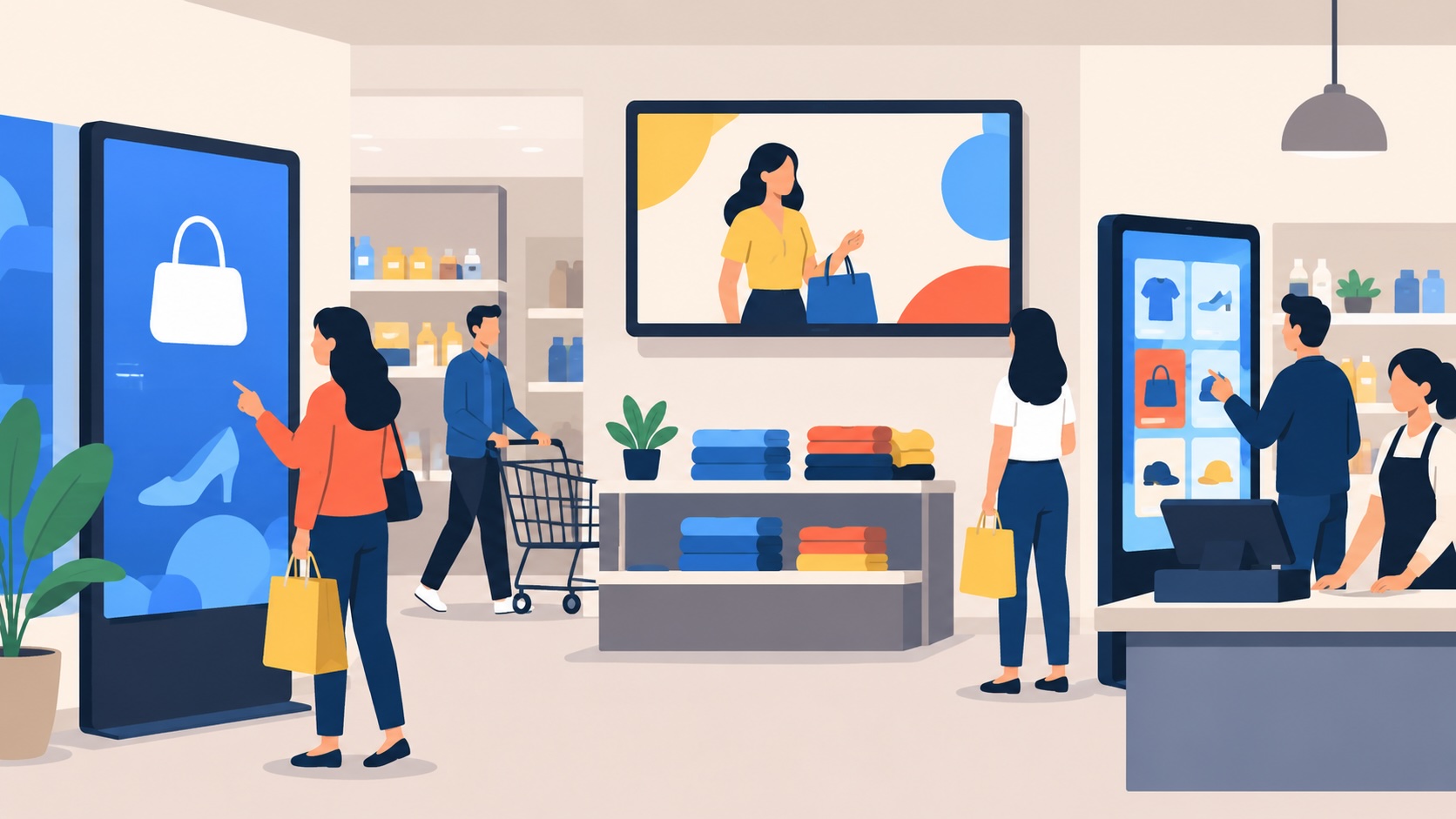
Stores today need new ways to capture customer attention because shoppers are exposed to countless products, advertisements, and promotional messages during every visit. Traditional printed signs still serve a purpose, but they often struggle to compete with the speed and flexibility that modern retail environments require.
A well-planned visual communication system helps brands stand out in busy stores without creating extra work for employees. Smart screen placement can turn casual visitors into engaged shoppers who spend more time exploring products, learning about promotions, and ultimately making purchases. The right message displayed at the right moment can influence buying decisions almost instantly.
This article explains how digital signage increases customer engagement in stores and why more retailers are investing in dynamic in-store displays.
Real-Time Promotions Across Store Screens
One of the biggest advantages of digital signage is the ability to update promotions instantly across multiple locations and screens. Unlike printed materials that require manual replacement, digital displays can be updated from a central dashboard within seconds.
A store manager can launch a flash sale, promote a limited-time offer, or highlight a seasonal product and have the new content appear on every display immediately. Customers receive consistent information throughout the store, reducing confusion and ensuring that advertised prices match what they see at checkout.
Real-time updates also give retailers greater flexibility to experiment with promotions. Different offers can be displayed during different times of the day to identify which messages generate the most customer interest and sales. This allows stores to make decisions based on actual shopper behavior rather than assumptions.
Product Highlights Near Purchase Areas
The space around checkout counters, aisle ends, and high-traffic sections of a store offers valuable opportunities to influence buying decisions. Customers in these areas are already engaged and are often making final purchase choices.
Digital displays positioned near these locations can promote complementary products, accessories, special offers, or product warranty options that shoppers may not have considered earlier. For example, a customer purchasing electronics might be reminded about protection plans, accessories, or extended support services while waiting in line.
These targeted messages require no additional effort from the customer and can significantly increase average transaction value. Even small suggestions presented at the right moment can lead to additional purchases.
Brand Messages That Capture Attention
Customers rarely stop to read lengthy paragraphs while shopping. Most buying decisions happen quickly, which means brands have only a few seconds to communicate key messages.
Short headlines, bold visuals, and clear calls to action tend to perform much better than text-heavy displays. Strong imagery combined with concise messaging can reinforce brand identity while helping customers understand product benefits immediately.
For retailers serving diverse customer groups, delivering consistent messaging across different languages can be just as important as the message itself. Many growing brands are investing in AI translation infrastructure to adapt promotional content for multiple markets while maintaining a unified brand voice and customer experience.
Digital screens also allow retailers to rotate multiple messages throughout the day. This prevents content from becoming stale and gives returning customers a fresh experience each time they visit the store.
Store Layout Ideas with Digital Displays
Digital displays can influence how customers move through a retail environment. Strategic placement helps guide shoppers toward specific departments, featured products, or promotional zones.
A screen near the entrance can introduce current promotions and direct visitors to popular sections of the store. Displays placed further inside the location can encourage customers to continue exploring areas they might otherwise overlook.
Retailers often use screens to create visual pathways that naturally guide traffic through the store. When customers encounter relevant content along their journey, they are more likely to spend additional time browsing products and discovering new offers.
The longer shoppers remain engaged inside the store, the greater the opportunity to generate sales.
Engage Customer Interest Through Visual Content
Motion naturally attracts human attention. This is one reason why video content often performs better than static signs when it comes to capturing customer interest.
A short demonstration product video, a rotating product showcase, or a simple animated promotion can encourage shoppers to pause and take a closer look. Even subtle movement helps displays stand out among shelves filled with static packaging and printed materials.
Color transitions, product animations, and lifestyle imagery can also help communicate information faster than text alone. Instead of explaining a product's features through a long description, a short video can demonstrate its value in just a few seconds.
These visual experiences keep stores feeling fresh and engaging, especially for repeat customers who visit frequently.
Interactive Store Displays for Customers
Interactive screens create a more personalized shopping experience by allowing customers to explore information on their own terms.
Touchscreen displays can help shoppers browse product catalogs, compare features, view available sizes or colors, and access additional product information without waiting for assistance. This self-service approach is particularly valuable during busy shopping periods when staff may be occupied helping other customers.
Interactive digital signage encourages active participation rather than passive viewing. When customers engage directly with content, they often spend more time learning about products and become more confident in their purchasing decisions.
For retailers, this can improve customer satisfaction while reducing pressure on store employees.
Building a More Memorable Shopping Experience
Beyond promotions and product information, digital displays help create an overall shopping environment that feels modern and engaging. Screens can showcase customer testimonials, highlight new arrivals, display social media content, or share useful educational information related to products.
This type of content helps build trust while making the shopping experience more enjoyable. Customers are more likely to remember stores that provide useful and visually appealing experiences rather than simply presenting rows of products.
As customer expectations continue to evolve, retailers need tools that help them communicate quickly and effectively. Digital displays provide a flexible way to keep stores relevant while improving customer engagement throughout the shopping journey.
Conclusion
A store that uses digital signage effectively turns every high-traffic area into an opportunity for engagement. Whether it's promoting time-sensitive offers, highlighting product warranty options, guiding shoppers through the store, or providing interactive product information, digital displays help customers make informed purchasing decisions.
The most effective approach is to start small and measure results. Place one interactive display near the entrance and another promotional screen close to the checkout area. Track customer behavior and sales performance for a week, then test different locations and content formats.
Over time, these small adjustments can reveal valuable insights about how shoppers interact with your store and help maximize the impact of every screen.