
How AI Is Changing the Way Brands Create Content and Connect With Customers
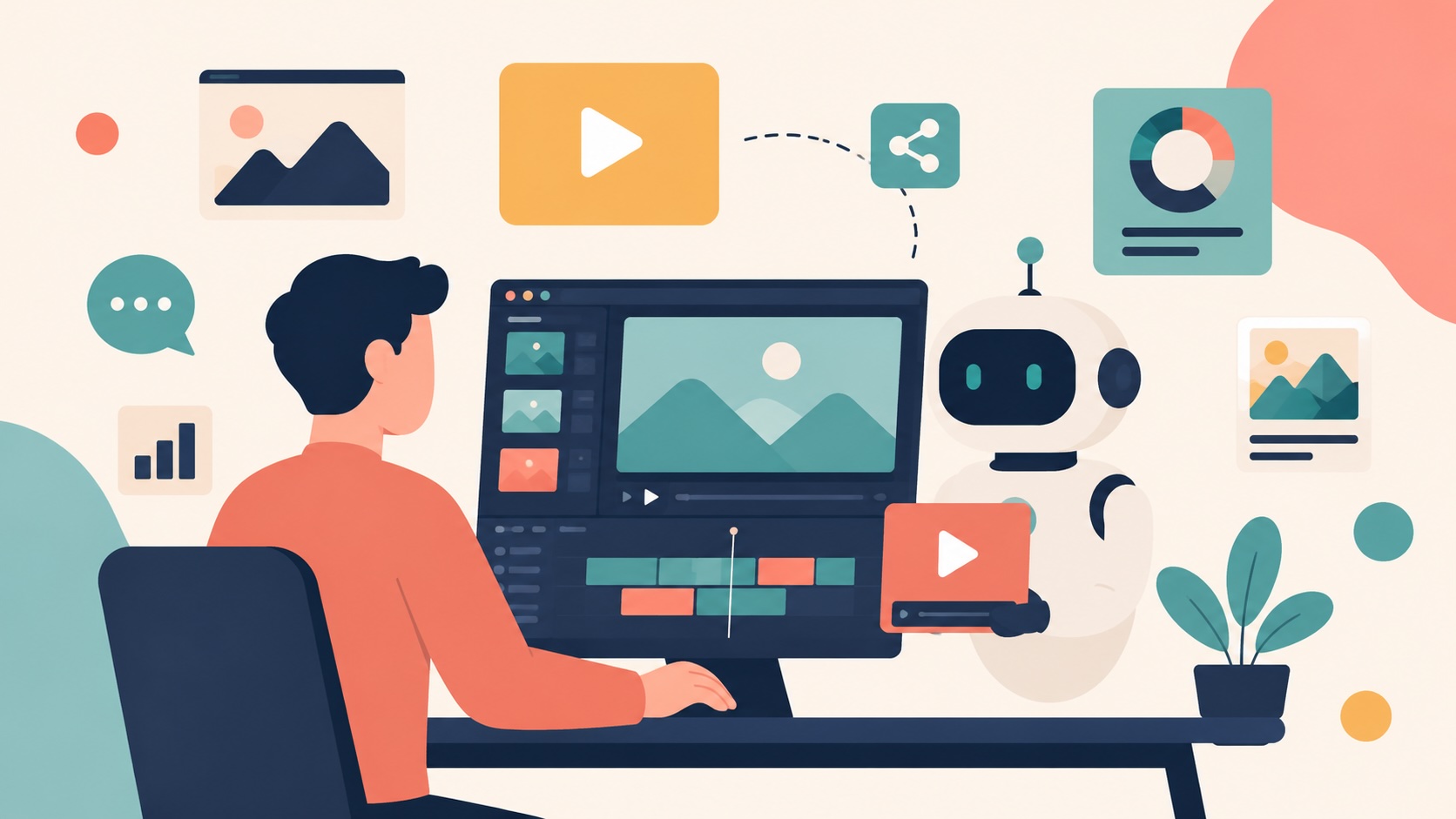
Artificial intelligence has gone from being a futuristic concept to an everyday business tool. Across the United States, companies of all sizes are using AI to streamline operations, improve customer experiences, and create content faster than ever before.
From startups trying to compete with larger organizations to established brands looking for greater efficiency, AI is reshaping the marketing landscape. While the technology continues to evolve, one thing is already clear: businesses that learn how to combine AI tools with human creativity are gaining a significant competitive advantage.
The Growing Demand for Content
Modern consumers interact with brands across dozens of channels. A company might publish blog posts, send newsletters, maintain social media accounts, create videos, run advertising campaigns, and produce educational resources—all at the same time.
Keeping up with this demand can be overwhelming.
Traditional content production often requires multiple specialists, including writers, graphic designers, video editors, and marketing strategists. Producing a single campaign can take weeks of planning and execution.
AI is helping reduce these bottlenecks. Teams can now generate content ideas, draft outlines, conduct research, create visuals, and optimize messaging in a fraction of the time previously required. Instead of spending hours on repetitive tasks, marketers can focus on strategy, creativity, and audience engagement.
Video Content Is Becoming Easier to Produce
Video remains one of the most effective forms of online content. Whether it's product demonstrations, educational tutorials, customer testimonials, or social media clips, video consistently drives engagement.
The challenge has always been production time.
Editing footage, adding captions, cutting scenes, and formatting content for multiple platforms traditionally required specialized skills. For many businesses, video creation became a resource-intensive process that limited how frequently they could publish.
Today, AI-powered video editing tools are dramatically simplifying the workflow. Features like automatic subtitle generation, silence removal, scene detection, transcript-based editing, and content repurposing allow teams to create professional videos much faster than before. As video continues to dominate platforms like YouTube, Instagram, LinkedIn, and TikTok, organizations that streamline their video production process will be better positioned to maintain consistent audience engagement.
The Shift From Content Creation to Content Strategy
One of the biggest misconceptions about AI is that it exists to replace marketers.
In reality, successful organizations are using AI to enhance human capabilities rather than eliminate them.
AI can generate ideas and assist with execution, but it still takes people to understand customer needs, build relationships, and create compelling narratives. The most effective marketing teams use AI as a productivity tool while maintaining strong editorial oversight.
This approach allows businesses to publish more content without sacrificing quality.
Rather than focusing solely on production volume, marketers are spending more time analyzing customer behavior, refining messaging, and developing long-term growth strategies.
Why Brand Personality Matters More Than Ever
As AI-generated content becomes increasingly common, brands face a new challenge: differentiation.
When everyone has access to similar tools, standing out becomes harder.
This is where brand personality becomes critical. Customers tend to remember companies that feel authentic, relatable, and memorable. A strong personality can help transform a business from just another option in the market into a brand people actively seek out.
Many organizations are now experimenting with AI-generated brand characters, virtual ambassadors, and digital personalities that appear consistently across marketing channels. These characters can help reinforce brand identity while creating a more engaging customer experience.
Brands looking to experiment with virtual spokespeople and digital mascots can learn from several AI character marketing strategies that help create stronger emotional connections and more memorable customer experiences.
Smaller Teams Are Accomplishing More
Another notable trend is the rise of highly productive, lean marketing teams.
In the past, businesses often needed large departments to manage growing content demands. Today, a smaller group equipped with modern AI tools can accomplish many of the same objectives.
A content marketer can draft articles, generate graphics, edit videos, and prepare social media content using a combination of AI-powered platforms. This doesn't eliminate the need for expertise, but it significantly increases individual productivity.
For startups and small businesses operating with limited budgets, these efficiencies can be game-changing.
Looking Ahead
Artificial intelligence is still in the early stages of its impact on marketing and content creation. New tools and capabilities continue to emerge at a rapid pace, offering businesses additional opportunities to improve efficiency and expand their reach.
However, technology alone won't determine success.
The companies that thrive will be those that combine AI-driven efficiency with genuine human insight. Customers still value authenticity, trust, and meaningful experiences. AI can help brands deliver those experiences more effectively, but it cannot replace the human understanding that sits at the heart of great marketing.
As businesses continue adapting to this new landscape, the winners will likely be those that embrace AI as a collaborative partner—one that helps teams work smarter, create better content, and build stronger relationships with their audiences.