
Why Legal Work Is Moving Into the Startup AI Stack
AI has already become part of how startups write, sell, support customers, and manage daily workflows. Legal work is now starting to follow the same path — not by replacing lawyers, but by helping founders understand documents, prepare for legal review, and avoid unnecessary delays.
AI helps write landing page copy, summarize user interviews, draft outbound emails, review support tickets, turn meeting notes into action items, and move faster without hiring for every function too early. That shift makes sense because early-stage teams are overloaded by default. A founder can be working on product in the morning, sales after lunch, support in the evening, and investor updates at night.
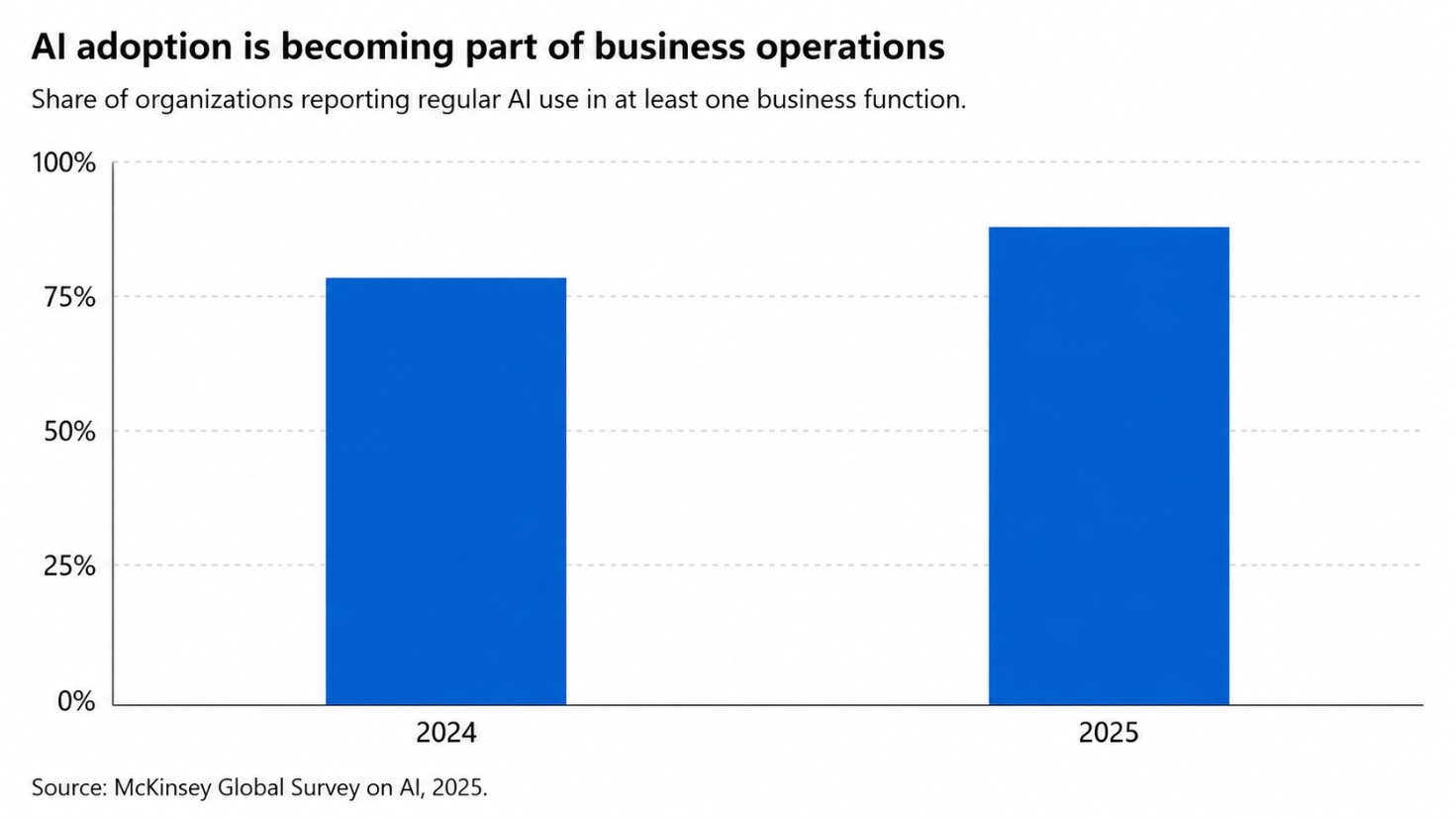
AI is no longer just a nice-to-have productivity layer. It is becoming part of how companies operate. According to McKinsey’s 2025 Global Survey on AI, 88% of respondents say their organizations regularly use AI in at least one business function, up from 78% a year earlier.
That is the bigger context behind the startup AI stack. Founders are not only looking for tools that write faster or summarize better. They are looking for systems that reduce friction in the parts of the company where work gets stuck.
And there is one area that still feels strangely manual for many founders.
Legal.
Not the complex legal strategy that should involve a professional. The everyday work that appears before that point: reading contracts, preparing basic documents, understanding clauses, and figuring out what needs closer review.
That part is starting to change.
Legal Work Usually Shows Up at the Worst Time
Most founders do not think about legal workflows until something important is already moving.
A customer is ready to close, but sends over an MSA with redlines. A freelancer is waiting for a contractor agreement. A product launch needs privacy language before the website goes live. An investor asks for documents during due diligence. An enterprise customer adds new terms right before signature.
None of these moments feel like legal operations at first. They feel like small blockers inside a normal startup day.
But those blockers add up.
A contract sits in someone’s inbox because nobody wants to be the first person to read it. A simple agreement gets delayed because the team is not sure where to start. A founder forwards a document to a lawyer with no context other than “can you check this?”
Sometimes the legal issue itself is not even that complicated. The workflow around it is just unclear.
The Real Use Case Is Preparation
There is a common misunderstanding around legal AI.
People often frame it as a question of replacing lawyers. For serious legal decisions, that is not realistic and not a smart way to think about it. The better use case is more practical: founders need help before the lawyer conversation happens.
They need a clearer first read before escalating the document.
That is where AI fits naturally.
The same way AI tools help marketers create rough drafts before a campaign goes live, legal AI can help founders prepare before a legal review. It gives them a better starting point.
Instead of sending a contract with only “please review,” a founder can come prepared with context:
What changed?
Which clauses look unclear?
What business terms matter most?
Where does the team need legal judgment?
That makes the human review more focused, and usually more useful.
Where an AI Legal Tool Fits in the Stack
The most useful legal AI workflow is simple.
Imagine a founder receives a customer agreement late in the sales process. The commercial terms look fine, but the contract includes sections on liability, renewal, data usage, and termination. The founder does not want to ignore those clauses, but also does not want the deal to sit untouched for days.
In that moment, an AI legal tool can give the founder something they often do not have at first: a clear starting point. It can summarize the document, explain confusing language, point out areas worth a closer look, and help prepare better questions before involving a lawyer.
That is the practical value.
It reduces the blank-page problem. It reduces the “I have no idea what this means” problem. It reduces the last-minute panic that happens when legal work appears right before a deal, launch, hire, or partnership.
For startups, clarity is often just as valuable as speed.
Common Legal Workflows Founders Can Prepare With AI
Legal AI becomes more useful when it is tied to real startup moments rather than abstract legal tasks.
A founder closing a B2B deal may need to understand an enterprise customer’s redlines before deciding what to push back on. The issue is not only “what does this clause mean?” but also “does this affect revenue, liability, or our ability to deliver the product?”
A solo founder hiring freelancers may need a contractor agreement that clearly explains scope, payment, confidentiality, and ownership of work. Starting from a blank page wastes time, but copying a random template can create problems later.
A SaaS team preparing for launch may need privacy language, terms, and basic policies that match how the product actually works. This becomes especially important when the product collects user data, uses third-party tools, or serves customers in different markets.
A startup preparing for investor due diligence may need stronger document management workflows to organize documents, understand what is missing, and avoid scrambling at the last minute. The legal work here is not glamorous, but it can slow down fundraising if the team is unprepared.
Legal teams supporting startups are also increasingly adopting AI note takers for lawyers to reduce time spent on case documentation, client meetings, and matter summaries, allowing attorneys to focus more on legal analysis and less on administrative work. Tools in this category help turn conversations and meeting records into structured documentation that can be reviewed and incorporated into broader legal workflows.
These are not rare edge cases. They are normal operating moments for growing startups.
And once they start repeating, founders need a better process.
From Random Documents to Repeatable Workflows
Legal used to feel separate from the normal startup workflow.
You built the product. You talked to users. You closed customers. Then, when something serious happened, you handled legal.
That separation is harder to maintain now.
Modern startups work with remote teams, sell across markets, use more third-party platforms, collect more data, and move faster from idea to launch. Even a small SaaS company can run into legal documents much earlier than expected.
What first looks like a one-off document often becomes a recurring operating need. As the company sells more, hires more, launches more, and handles more external requests, legal work starts showing up in patterns.
At that point, legal work needs a process.
Not a complicated one. Just a repeatable way to understand documents, identify what matters, and decide what should happen next.
That is how many startup tool categories became important in the first place. Support tools grew because customer questions repeated. CRMs became necessary because sales conversations repeated. Analytics became standard because product questions repeated.
Legal is starting to follow the same pattern.
Why This Matters for Small Teams
Large companies already have legal teams, procurement processes, compliance departments, and internal playbooks.
Startups usually do not.
That means legal work often falls on the founder, the first operations hire, or whoever happens to be closest to the document when it arrives. The team still needs to move quickly, but it also needs to avoid careless decisions.
This is where structure matters.
Even a simple first pass can help the team decide what is routine, what is unclear, and what needs expert review.
In an early-stage company, that kind of structure often leads to faster decisions.
Legal Work Is Becoming Easier for Small Teams to Manage
Now AI is turning more internal processes into software-supported work. Legal is one of the next logical areas.
A contract delay can hold up revenue, and an unclear clause can create unnecessary risk. For founders, the shift is not about automating legal judgment. It is about making legal work easier to handle before it slows the team down.
That may not sound as exciting as launching a new feature or closing a customer.
But for a small team trying to move fast, it can matter just as much.