
Top Features of Asset Management Software You Need
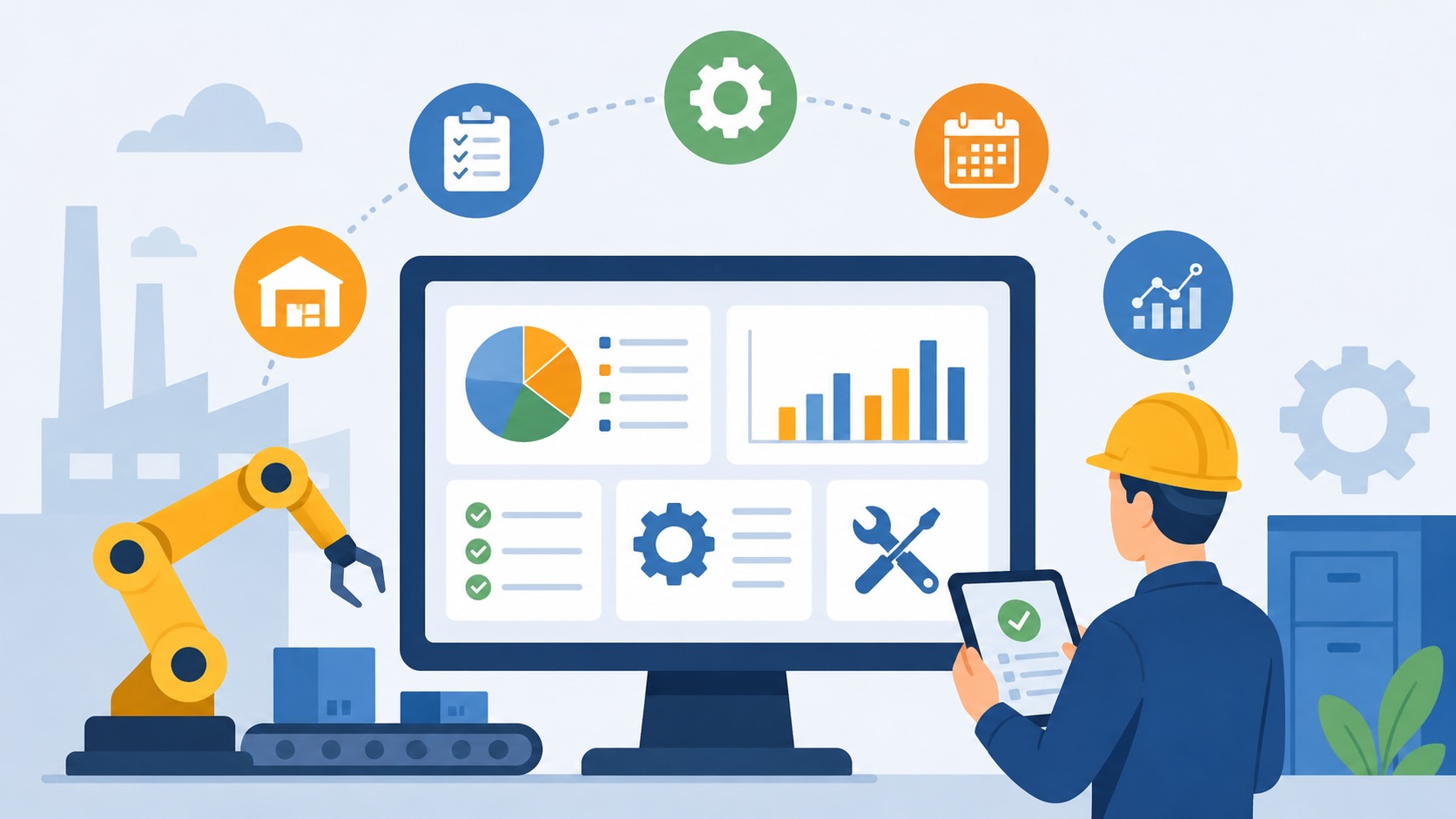
Managing assets in big organizations can be incredibly stressful. Machines, infrastructure, systems, etc., need to function efficiently and effectively, and compliance requirements can’t be ignored either. As the organization expands, the difficulties associated with managing assets increase, sometimes making existing techniques ineffective.
That’s why it’s essential to learn about the most important features of asset management software. The top features on asset management software offer organizations the tools to manage their assets effectively. When equipped with the necessary features, asset managers can move from being reactive to proactive.
Centralized Asset Visibility
A strong asset management platform starts with visibility. Each asset should have a corresponding digital profile that includes the following:
- The specifications of the asset
- Current status
- Its maintenance records
- Warranties
With such a detailed view of assets, it’s possible for managers to get the required information about their condition and functionality. For large companies that operate out of different locations, this kind of visibility is incredibly useful.
Preventive and Predictive Maintenance
One of the most valuable features of modern software is its ability to support both preventive and predictive maintenance.
- Preventive maintenance involves carrying out planned tasks to reduce downtime or failures.
- Predictive maintenance analyzes information and trends to predict problems before they arise.
Combining these practices might just give teams the tools they need to increase asset lifespan and reduce downtime.
Many organizations also use maintenance automation tools to schedule recurring inspections and reduce the risk of missed service intervals
Real-Time Dashboards and Reporting
Every manager knows that timely information can help make sound decisions. Asset management systems have dashboards that provide up-to-date data on many useful points, like:
- The condition of assets
- Their maintenance
- The status of work orders
It allows managers to assess the situation and react promptly. Such insight allows the organization to avoid problems instead of dealing with them later. Proper reporting also ensures good communication among stakeholders.
Efficient Work Order Management
Work order management is key to maintenance operations. Platforms help simplify this process via the following:
- Automated task generation
- Job allocation
- Overall monitoring
Tasks can be prioritized according to the following:
- Their urgency
- Their criticality
- Compliance needs
Instructions for the tasks are sent along with information about the assets to ensure accuracy. This increases the efficiency of processes.
Mobile Accessibility for Teams
Frontline employees require tools to ensure sound operations. One such important component is mobile compatibility, which makes it possible for technicians to interact with the system regardless of their location. Using smartphones and tablets, technicians can do the following and complete all maintenance activities in real-time without any paperwork:
- Check work orders
- Update progress
- Maintain records
Inventory and Spare Parts Tracking
The availability of parts affects the efficiency of maintenance activities. Asset management systems have inventory management capabilities that allow managers to handle spare parts efficiently. They can monitor stock levels and define reordering points to reduce shortages. Spare parts can be tagged to particular assets or work orders, so there’s no shortfall at any point in time.
Compliance and Documentation
For many industries, compliance is key. Maintenance work should always be documented correctly. Asset management software automatically tracks:
- Inspections
- Repairs
- Maintenance jobs
It’s an easy way to record everything needed to meet OSHA requirements, FDA rules, and other regulations. Plus, it makes the auditing process easier.
Integration With Enterprise Systems
It takes more than one system to run an enterprise. Integration is a critical feature that enables asset management software to interact with other systems. By exchanging information between various platforms, an organization can work without creating silos. Maintenance information can help with procurement and budgeting activities. When platforms communicate effectively, every team understands what’s going on within the company in a way that actually helps make sound decisions.
When integrated with enterprise software platforms, asset management systems contribute to stronger business intelligence and organization-wide visibility
Advanced Analytics and Insights
Data is a powerful tool when used effectively. That’s why analytics (dashboards, live tracking, etc.) are included in asset management software. Historical data can bring issues to the attention of teams, and managers can see trends and identify problems. Data analytics capabilities help organizations identify performance trends, optimize maintenance spending, and improve long-term asset planning. In addition, they can check if their maintenance procedures are effective. Such analyses are required to make asset management strategies work well across operations.
Conclusion
The top features of asset management software help teams deal with various operational issues. These features, from central management and preventive maintenance to live reporting and mobile access, allow businesses to stay in control. They are not only beneficial but also truly essential for every company. They help companies operate more effectively and keep equipment running in top condition. Taking the time to pick the right software can make a difference in the long run, given today’s competition levels.