
How Smart Devices and Indoor Sports Technology Are Changing Lifestyle Markets
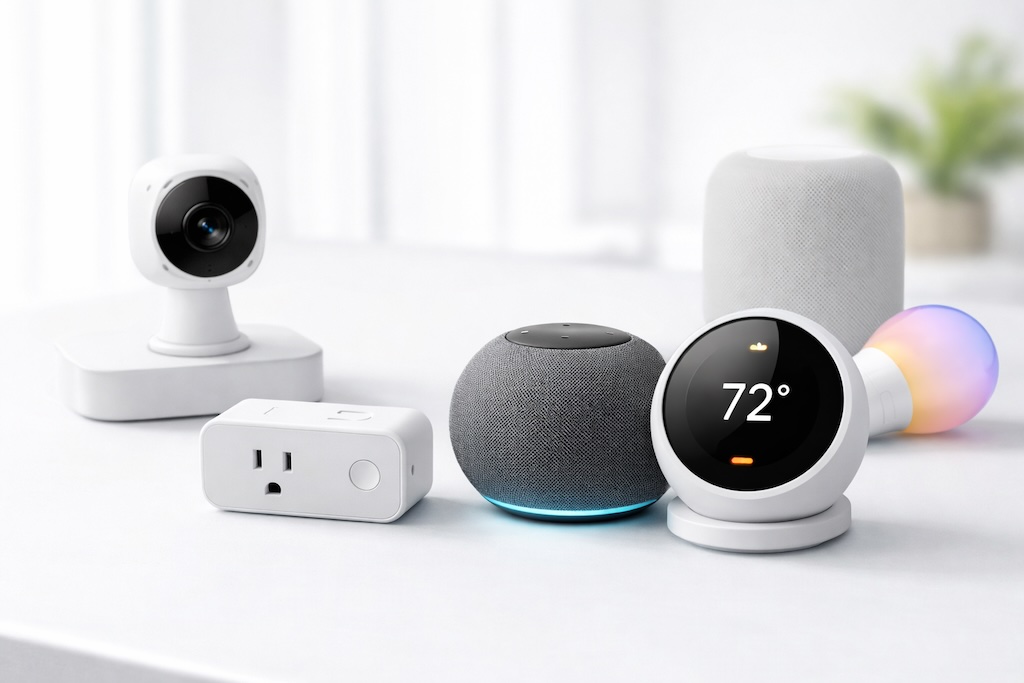
Technology continues to reshape how people live, work, and spend their leisure time. Over the past decade, smart home devices and interactive sports technologies have moved from niche products to widely adopted lifestyle tools. These innovations are influencing how individuals manage their homes, maintain comfort, and pursue recreational activities without leaving their living spaces.
As consumers increasingly prioritize convenience, efficiency, and flexibility, companies across multiple industries are developing products that integrate seamlessly into everyday life. Smart climate systems, connected home devices, and indoor sports technologies are now part of a growing ecosystem that blends technology with lifestyle.
Smart Devices Transforming Modern Homes
Smart home devices have become one of the most visible examples of how technology is influencing modern living environments. These devices allow homeowners to automate tasks that once required manual adjustments, such as controlling lighting, monitoring security systems, and managing heating or cooling systems.
Many homeowners now use connected devices that can be controlled through mobile applications or voice assistants. This technology allows individuals to manage their homes remotely, improving convenience while also helping reduce unnecessary energy consumption.
Products such as Mysa demonstrate how smart climate control systems are helping homeowners regulate indoor temperatures more efficiently. By allowing users to schedule heating and cooling adjustments or manage settings remotely, these systems contribute to improved energy efficiency and comfort.
Smart home devices also integrate with other technologies, creating connected environments where lighting, appliances, and environmental controls work together automatically.
The Growth of Indoor Sports Technology
At the same time that smart home systems are improving everyday living conditions, indoor sports technology is transforming how people engage with recreational activities. For many individuals, access to sports facilities or outdoor environments can be limited by weather, location, or busy schedules.
Indoor sports technology addresses this challenge by recreating athletic experiences within controlled environments. Sensors, motion tracking systems, and simulation software allow athletes and hobbyists to practice sports skills without needing to visit traditional venues.
Golf is one sport that has seen particularly strong growth in indoor technology solutions.
Golf Simulation and Performance Tracking
Indoor golf simulators combine motion tracking hardware with digital course simulations, allowing players to analyze their swing mechanics and ball flight data in real time. These systems measure factors such as swing speed, launch angle, and spin rate, providing players with detailed performance insights.
Businesses such as Indoor Golf Outlet specialize in equipment that supports indoor golf simulation systems. These technologies allow golfers to practice in garages, home studios, or dedicated training rooms while experiencing realistic course environments.
For players looking to improve their skills or simply enjoy the sport recreationally, indoor simulators provide a convenient alternative to traditional golf practice.
Lifestyle Technology and Home Recreation
The integration of sports technology into residential environments reflects broader changes in how people approach recreation. Many individuals now prefer activities that can be enjoyed within their own homes, particularly as remote work and flexible schedules become more common.
Home recreation technology allows people to maintain hobbies without requiring travel to specialized facilities. Indoor sports simulators, virtual training platforms, and connected fitness equipment are all part of this growing trend.
These tools also encourage consistent practice by removing barriers such as weather conditions, transportation time, or limited facility availability.
Data and Performance Analytics
Another factor driving the growth of indoor sports technology is the ability to collect and analyze performance data. Many modern training systems include advanced sensors and analytics software that track performance metrics in real time.
This data allows athletes and hobbyists to monitor progress, identify weaknesses, and adjust their training routines accordingly. Performance analytics also provide a more objective way to measure improvement compared to traditional observational methods.
As technology continues to evolve, these analytics tools are becoming increasingly sophisticated and accessible to everyday users.
The Influence of Smart Lifestyle Ecosystems
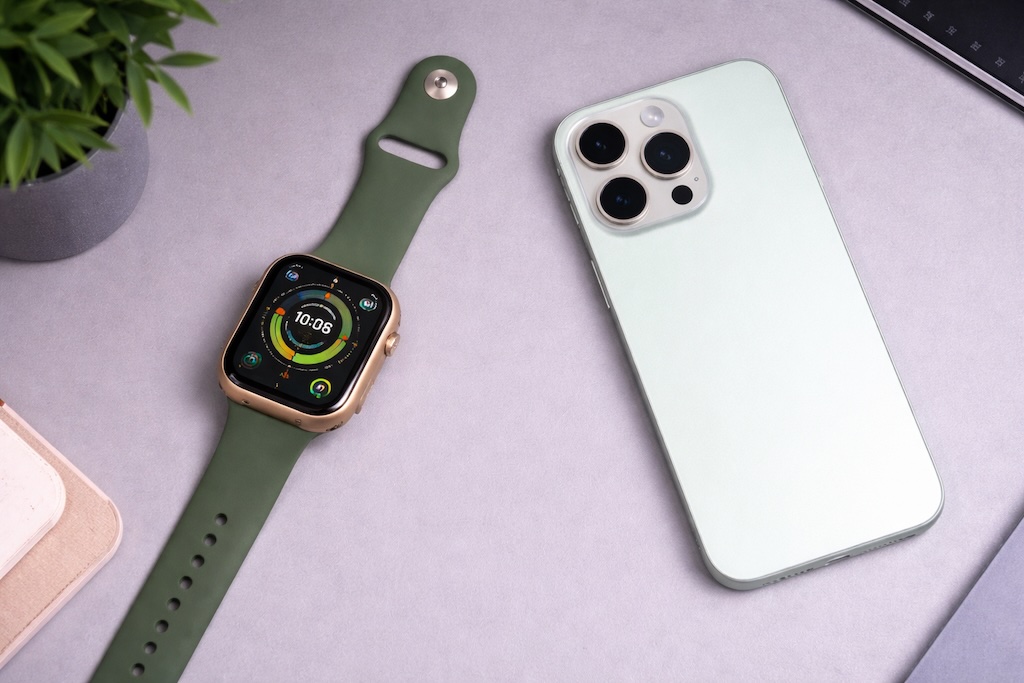
Smart home devices and indoor sports technologies are part of a larger ecosystem of connected lifestyle tools. These systems often integrate with other technologies such as mobile apps, wearable devices, and cloud-based platforms.
For example, a smart thermostat may adjust temperature settings based on user routines, while fitness tracking devices monitor physical activity and health metrics. Indoor sports systems may sync performance data with training applications that provide feedback and recommendations.
This interconnected network of devices allows users to manage multiple aspects of their daily lives through technology.
Changing Consumer Expectations
As smart devices and indoor sports technologies become more common, consumer expectations are also evolving. Many people now expect technology to provide both convenience and meaningful insights into their daily activities.
Products that offer data-driven feedback, automation, and remote accessibility are becoming increasingly popular because they simplify everyday tasks and improve efficiency.
This shift is encouraging companies to design products that not only perform specific functions but also integrate with broader digital ecosystems.