
How Research Labs Can Sell Graphics Cards When Projects Reach Completion
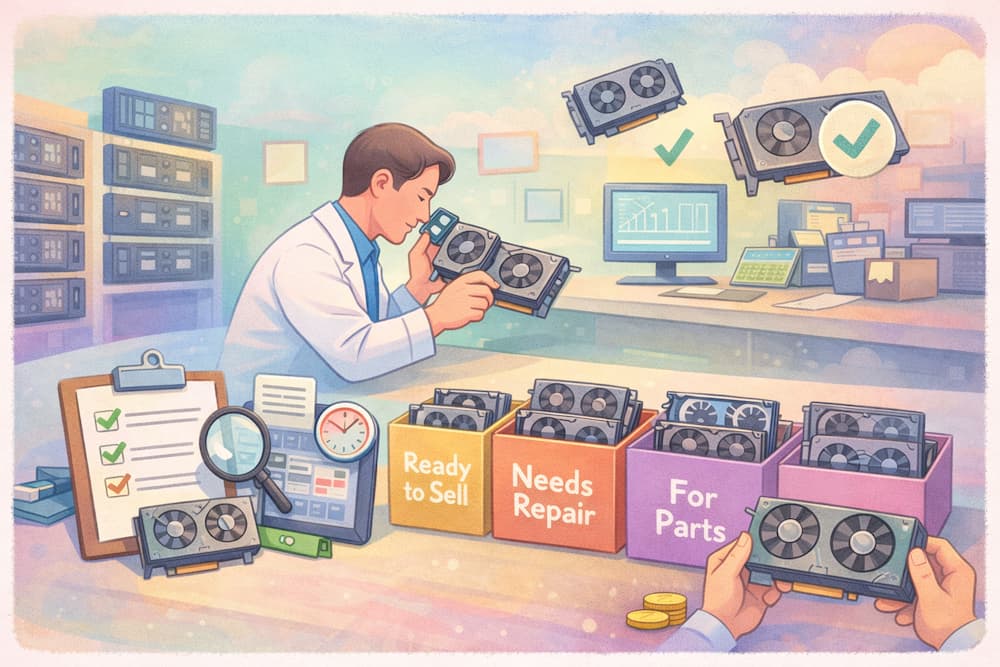
Research labs reach a stage when major experiments wrap up, and high-powered gear sits idle. Teams look around at racks of hardware and realize those once essential parts have finished their tour of duty. It becomes clear that this equipment still holds value, especially the graphics cards that carried heavy training loads and complex simulations.
This shift creates a natural moment to think about smart ways to pass them along, especially when the plan is to sell graphics cards in a clean and organized manner. Labs that want to move hardware responsibly have several practical options that keep the process simple. Clear planning, honest testing, and straightforward communication support smooth transitions for everyone involved.
Assess Hardware Condition With Care
Teams start with careful testing that checks stability, heat levels, and general performance. Each card receives cleaning and a short benchmark run to confirm steady behavior. This step lets the lab understand the actual value and prevents surprises for buyers. It also helps staff track how each unit held up during its project cycle.
A small record detailing usage hours and visible wear improves transparency. Buyers appreciate knowing how well a card was treated and maintained. This simple documentation creates confidence and strengthens the interaction between both sides.
Organize Inventory Before Listing Anything
Once testing is complete, labs sort the cards into groups. Some units look ready for sale, while others may need fresh thermal paste or a quick fan fix. This structure keeps the entire effort from feeling rushed or scattered.
Well-arranged groups make pricing easier. Clear categories help buyers understand the differences among units without confusion. This smooth organization leads to faster decisions and a more relaxed experience.
Choose The Right Marketplace
Labs explore marketplaces that align with their comfort level. Some prefer platforms with wide audiences, while others look to communities familiar with research equipment. Each option offers a different pace and style of interaction.
A platform with solid norms and clear seller protections helps both sides feel secure. Listings appear more credible in places where buyers expect detailed hardware information. This environment encourages steady communication and responsible exchanges.
Set Fair Prices Without Guesswork
Labs scan similar listings to understand current pricing trends. Condition, performance data, and age shape a fair price that invites interest rather than hesitation. Reasonable pricing brings steady activity without forcing rushed decisions.
When prices reflect honest testing, negotiations stay light and friendly. Buyers recognize the value in well-maintained equipment and feel comfortable completing the exchange. This balance helps labs recover funds while keeping the tone pleasant.
Manage Communication And Final Steps
Once buyers reach out, straightforward replies keep things moving. Labs answer questions about temperatures, noise levels, or workload history with simple explanations grounded in earlier testing. This clarity prevents confusion and builds trust.
The last task involves secure packaging. Strong boxes, antistatic bags, and proper padding protect the hardware during shipping. When the package arrives safely, buyers appreciate the care taken, and the entire experience ends on a positive note.
When research labs wrap up major work, passing along excess hardware becomes a practical step. Teams that choose to sell graphics cards at the right moment find it easier to reclaim space and resources. Clear documentation, honest listings, and fair pricing give buyers confidence and support smooth exchanges. Steady communication keeps expectations aligned and prevents confusion during the final handoff. Simple care in packaging brings the effort to a neat finish and leaves everyone satisfied.