
How Nearshore AI Teams Can Reduce Your Product Development Costs
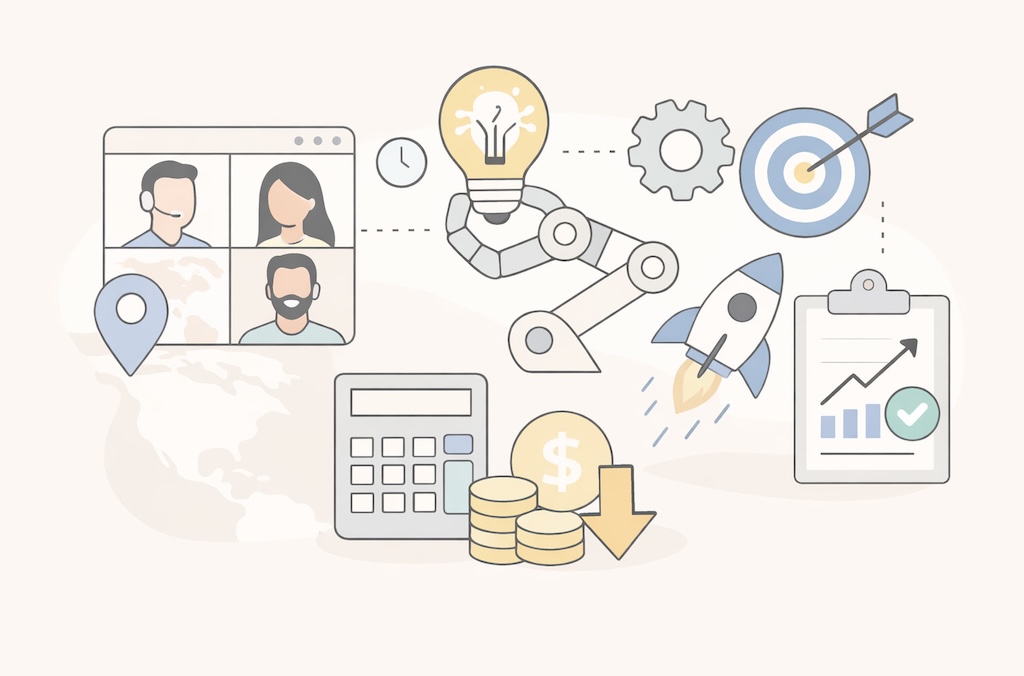
AI is now key to staying competitive, but the talent and resources to create it can be pricey. Your in-house teams might be overloaded, and old-fashioned outsourcing can cause delays and extra costs. Nearshore AI teams offer a solution: they’re cheaper and allow for smooth, quick teamwork. Many companies are now exploring nearshoring to Colombia as a strategic way to access skilled AI developers while keeping budgets in check. For companies in North America and Europe, nearshore software development in Colombia is becoming a good option to find experienced AI professionals at reasonable prices. Colombia’s time zone is close to theirs, and its strong tech scene makes it easy to add these developers to current product teams.
This article will show you how nearshore AI teams can lower your product development costs without hurting quality, speed, or control.
Cutting Costs the Right Way
Tech leaders face a tough question: How do you save money on AI development but still keep standards high?
With nearshore setups, savings come from a few areas: lower overall rates, less wasted time, and clearer communication. Nearshore development models typically deliver 46% lower rates than onshore teams.
Let's say you're testing an AI recommendation engine,
If you hired AI engineers in the U.S., you would have to pay high fees to cover things like benefits. But teams in Latin America often have similar skills but charge less. These savings add up: each task completed with a more affordable nearshore team means less money spent on experiments and improvements. If you treat nearshore AI teams like part of your own company, you don’t have to lose quality to save money. Include these engineers in your planning and reviews; that way, they'll work to your standards, and you won't have to fix mistakes later.
Companies that treat nearshore AI teams as partners usually see fewer errors and lower costs in the long run.
Why Nearshore Beats Offshore for Cost
People often think that the lowest price is always the best, so offshore AI teams can seem attractive initially. But nearshore AI teams can be a better value for a few reasons, including time zone similarities and better teamwork. Nearshore teams usually share a lot of working hours with the U.S. or Europe, which makes meetings and quick feedback easier. This closeness speeds up the process, reduces misunderstandings, and cuts down on extra work. You might not see these expenses on paper, but they can affect your total spending. Offshore teams in different time zones might charge less per hour, but longer feedback cycles can slow you down.
Looking at the whole picture, nearshore software development can be more affordable than offshore. An AI feature that takes six tries with an offshore team might only take a few with a nearshore team working closely with your managers and data experts. For companies in fast-paced markets, even a small time saving can lead to quicker profits and stronger customer loyalty.
Flexible AI Teams
Nearshore AI teams save you money and allow you to adjust the size of your team as needed. With a flexible team, you can add experts in areas like machine learning or data engineering when you need them and reduce the team when you don't. Rather than hiring people for tasks you only need sometimes, you can set up different teams for various stages: planning, execution, and maintenance. Nearshore partners can create a team that changes with your product needs. They can add people when you're testing risky ideas or dealing with regulations and then scale down when things stabilize.
This way, you avoid the costs of keeping people on staff when you don't need them and ensure your costs match your product's value. For example, imagine you're launching an AI fraud detection system. During the design phase, you might need extra data scientists; once it's up and running, you'll need experts in platform maintenance and model tuning. A nearshore team allows you to add costly skills temporarily without long-term commitments, which lowers costs and ensures you're ready for anything.
Faster Launch Times
For product leaders, getting to market quickly and staying on budget is very important. Every month wasted before launching is a month of lost revenue and delayed feedback. Nearshore AI teams can help you launch faster because they enable real-time collaboration. Daily check-ins and fast test runs can all happen together, ensuring problems are solved quickly. Companies report up to 28% faster time-to-market and 41% lower burn rate when nearshoring.
Launching earlier means getting user data sooner, which leads to better decisions, higher customer retention, and smarter ways to make money. A nearshore AI team that helps you launch just a little sooner can greatly improve your product. When you consider the value of early feedback and revenue, the rate difference with offshore teams starts to seem less important.
AI Outsourcing as a Smart Investment
Ultimately, leaders want to know if they can get a good return on their investment. Nearshore AI teams work well with ROI analysis because the costs are clear: rates, teamwork, and expected savings. A good plan starts with comparing the product development costs of three options: internal teams, offshore outsourcing, and nearshore AI partners. You should calculate not only the day rate but also the extra costs, error rates, rework, and average completion time. According to Bloomberg, 80% of companies in North America are actively considering nearshore outsourcing.
To ensure AI outsourcing is a smart move, you also need a clear plan: set goals, create a product roadmap, and assign responsibilities to both your internal and nearshore teams. Leaders who treat nearshore AI partners as valuable contributors — inviting them to planning sessions and asking for their input — will get more for their money. With this approach, nearshore AI becomes a valuable piece of your product development strategy.
In conclusion
For decision-makers, nearshore AI teams aren't just a cheap way to write code; they're a way to change how you experiment, launch, and grow AI products. By combining cost savings with better collaboration and faster timelines, you can lower product development costs while improving quality. Leaders who build relationships in places like Colombia will be ready for the next product cycle, because they'll have more flexibility and faster learning compared to those stuck with old, costly models.