
How Food Startups Are Using AI to Better Understand Customer Preferences
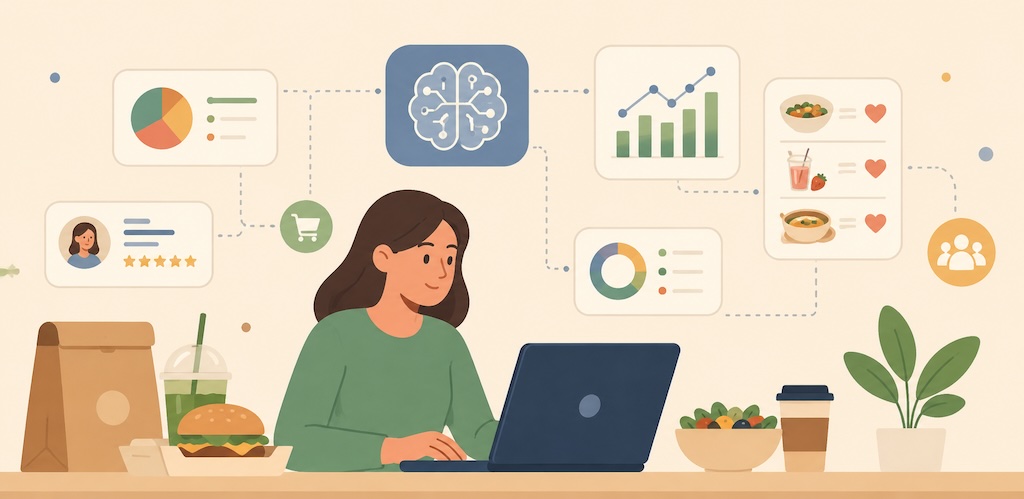
Food startups have always relied on intuition. A founder spots a trend, creates a product, and hopes customers respond well enough to keep the business moving forward. But consumer behavior has become harder to predict. Tastes shift quickly, social media trends explode overnight, and health priorities evolve faster than many brands can react.
That’s where AI is becoming part of the conversation.
Food startups are now using artificial intelligence to study purchasing habits, analyze customer feedback, identify flavor trends, and personalize recommendations with far more precision than traditional market research ever allowed. Instead of waiting months for survey results or sales reports, founders can now evaluate customer behavior in near real time.
The timing makes sense. According to McKinsey & Company, 71% of consumers expect personalized interactions, while 76% become frustrated when personalization is missing. For food businesses competing on convenience and customer loyalty, those numbers matter.
At the same time, the broader adoption of AI is accelerating across small businesses. Research shows that 94% plan expanding AI capabilities in the near future, particularly within food and beverage operations.
For food entrepreneurs and restaurant operators, AI is no longer something reserved for giant delivery apps or global restaurant chains. Small startups are using affordable tools to better understand customers and make smarter product decisions.
Why Customer Data Has Become So Valuable in Food Startups
The food industry generates massive amounts of behavioral data every day.
Every mobile order, loyalty reward redemption, app review, and Instagram comment creates signals about customer preferences. AI tools help startups organize and interpret those signals at scale.
Before AI-driven analytics became common, businesses often relied on:
- Quarterly sales reports
- Small customer surveys
- Limited focus groups
- Manual spreadsheet analysis
- Gut instinct
That approach still has value, but it misses the speed of today’s consumer trends.
Food startups now track:
- Repeat ordering behavior
- Time-of-day purchasing patterns
- Seasonal menu preferences
- Dietary choices
- Delivery frequency
- Customer sentiment on social platforms
- Reactions to limited-time offers
This level of visibility helps startups reduce guesswork.
For example, researchers behind an arXiv food recommendation study found that repeat ordering behavior dominates food delivery systems. Their AI recommendation models outperformed standard recommendation systems by balancing repeat purchases with opportunities for customer exploration.
That balance matters. Customers often want familiar choices while still remaining curious about something new.
AI-Powered Personalization Is Reshaping Food Experiences
One of the biggest shifts in food technology is hyper-personalization.
Consumers don’t simply want “healthy food” anymore. They want meals tailored to their preferences, dietary goals, allergies, and even fitness habits.
AI systems now help food startups recommend:
- High-protein meals
- Vegan alternatives
- Low-carb menu items
- Allergy-safe substitutions
- Portion preferences
- Personalized beverage pairings
Some companies combine customer purchase history with wearable health data to improve recommendations further.
According to McKinsey’s wellness market report, the global wellness market reached $1.8 trillion in 2024. The report also highlighted AI-driven personalization and wearable technology as major drivers behind nutrition purchasing behavior.
That creates opportunities for startups targeting wellness-focused consumers.
Instead of offering generic menu categories, brands can now create highly individualized experiences. A smoothie company, for instance, might recommend recovery-focused drinks to customers who regularly purchase after workout hours. A meal-prep startup might suggest lower-sodium alternatives based on previous ordering patterns.
Consumers notice these details.
And when recommendations feel useful rather than intrusive, loyalty tends to improve.
Social Media Sentiment Analysis Is Influencing Product Development
Food trends often begin online long before they appear in stores.
TikTok recipes, Instagram food photography, Reddit discussions, and YouTube reviews all shape purchasing decisions. AI-powered sentiment analysis tools help startups monitor these conversations automatically.
Instead of manually reading thousands of comments, AI systems can evaluate:
- Positive or negative reactions
- Emerging flavor interests
- Complaints about ingredients
- Packaging feedback
- Demand for dietary alternatives
- Regional trend differences
For startups with limited staff, this can dramatically speed up decision-making.
A spicy snack brand, for example, might detect rising conversations around Korean-inspired flavors months before competitors react. A beverage company may notice customers discussing reduced sugar options across multiple platforms and adjust formulations early. Likewise, monitoring conversations about products such as a premium easy clean juicer can help brands identify emerging consumer preferences and product features that matter most.
This also helps startups avoid expensive mistakes.
If sentiment analysis shows declining enthusiasm around a certain ingredient or packaging style, businesses can pivot faster before large-scale production investments are made.
Loyalty Programs Are Becoming Smarter Through AI
Traditional loyalty programs used to operate on simple reward structures.
Buy five coffees, get one free.
Now AI allows food startups to personalize incentives based on individual behavior patterns.
Instead of sending identical promotions to every customer, AI tools can segment audiences according to:
- Purchase frequency
- Average order value
- Dietary preferences
- Favorite menu categories
- Geographic location
- Time-sensitive buying habits
That personalization often improves engagement.
For example, a customer who frequently orders plant-based meals may receive early access to vegan menu launches. Someone who regularly orders late-night snacks could receive time-targeted promotions during evening hours.
This type of behavioral targeting helps startups improve customer retention without wasting marketing budgets on irrelevant promotions.
AI also helps identify customers at risk of disengaging. If a loyal customer suddenly stops ordering, predictive systems can trigger retention offers automatically.
Small improvements in retention can significantly affect profitability for food startups operating on tight margins.
AI Helps Startups Experiment Faster With New Products
Food innovation used to move slowly.
Brands would spend months testing recipes, launching products, collecting feedback, and adjusting formulations. AI shortens that cycle.
Now startups can run rapid experiments using customer data to validate ideas early.
AI systems can evaluate:
- Which flavors perform best among specific demographics
- Whether customers respond better to spicy or sweet profiles
- Which ingredients trend seasonally
- How pricing changes influence purchasing behavior
- Which packaging formats drive repeat purchases
This creates faster feedback loops.
Suppose a startup launches two versions of a protein bar. AI analytics can quickly compare repeat ordering rates, review sentiment, and social engagement to determine which version resonates most strongly.
Researchers studying AI-enabled food-ordering apps documented substantial growth in AI personalization research starting in 2022. The MDPI review covering 55 studies highlighted live app experiments and real-time customer interaction analysis as major areas of development.
That kind of experimentation gives startups an advantage over slower competitors.
Rather than relying solely on annual product launches, companies can adapt menus and products continuously.
Food Delivery Platforms Have Become AI Testing Grounds
Food delivery apps generate huge amounts of behavioral data.
Every click, reorder, cancellation, and review creates valuable information. AI systems use this data to optimize recommendations, promotions, and user experiences.
A study published in Sustainability examined food delivery app behavior before and during COVID-19. Researchers found that delivery usage increased dramatically during the pandemic, with many consumers ordering food four to six times weekly compared with once per week previously.
The study also discovered that application quality became one of the strongest predictors of customer satisfaction.
That finding matters for startups building digital-first food businesses.
Consumers now expect:
- Easy navigation
- Fast ordering
- Personalized recommendations
- Relevant promotions
- Reliable delivery updates
Poor digital experiences can quickly push customers toward competitors.
AI helps startups improve these experiences by analyzing user friction points. If customers repeatedly abandon carts during checkout, systems can identify patterns and recommend fixes.
Health-Conscious Consumers Are Driving AI Adoption
Health-focused eating habits continue to influence food innovation.
Consumers are paying closer attention to:
- Ingredient transparency
- Protein content
- Sugar levels
- Sustainability claims
- Functional ingredients
- Portion control
AI helps startups identify which health trends have staying power and which are temporary social media spikes.
For example, some startups analyze search trends, grocery purchasing data, and influencer discussions simultaneously to evaluate whether a dietary trend is worth pursuing.
This reduces risk when launching new products.
AI can also help startups develop more personalized wellness experiences. Some nutrition-focused brands already offer meal suggestions based on customer fitness goals, allergies, or metabolic preferences.
Others use machine learning to predict which health-oriented products customers are likely to purchase next.
As competition grows within healthy food categories, personalization may become one of the strongest differentiators.
Competitive Advantages for Startups Using AI
Large restaurant chains traditionally had access to better customer data and larger research budgets.
AI tools are changing that balance.
Cloud-based analytics platforms and subscription-based AI software now give smaller food startups access to sophisticated insights without enterprise-level costs.
That creates several competitive advantages:
Faster Decision-Making
Startups can react quickly to changing preferences instead of waiting for quarterly reports.
Better Inventory Planning
Predictive systems help reduce food waste by forecasting demand more accurately.
More Relevant Marketing
AI-driven segmentation improves targeting and reduces wasted advertising spend.
Improved Customer Retention
Personalized experiences often encourage repeat ordering and stronger brand loyalty.
Smarter Product Launches
Data-backed experimentation reduces the risk of failed menu items or packaged products.
Many startups are also using AI-generated branding assets, digital menu testing, and personalized merchandise campaigns to strengthen customer engagement. Even something as simple as custom t-shirt printing for loyalty programs or limited-edition product launches can support community-building around a food brand.
The startups moving quickly on AI adoption are often gaining an edge because they understand customer behavior with greater depth.
Startups Already Putting AI Into Action
Several food startups and restaurant technology companies already demonstrate how AI can shape product development and customer targeting.
Some meal-kit companies use predictive analytics to determine which recipes customers are likely to reorder. Beverage startups monitor social media discussions to identify trending flavors before entering retail expansion.
Restaurant operators are also experimenting with AI-generated upselling recommendations during checkout. Instead of generic “add fries” prompts, systems can personalize offers based on order history and customer behavior.
Delivery-focused startups continue refining recommendation algorithms that balance familiarity with discovery.
That’s important because customers often appreciate both convenience and novelty. AI systems that understand when to recommend familiar favorites versus new products tend to produce stronger engagement.
As more food startups collect behavioral data through apps, subscriptions, loyalty programs, and digital ordering systems, AI will likely become part of everyday decision-making rather than a separate innovation initiative.
Conclusion
Food startups are using AI to better understand customer preferences in ways that were difficult to achieve only a few years ago.
By analyzing purchasing behavior, customer feedback, loyalty data, and social media conversations, startups can make smarter product decisions and respond faster to changing trends. AI-powered personalization is also helping businesses create more tailored experiences that improve customer satisfaction and retention.
At the same time, rapid experimentation tools allow startups to test flavors, pricing strategies, and menu ideas with far less risk. Health-conscious consumption trends, digital ordering habits, and personalized wellness experiences are pushing AI adoption even further across the food industry.
For entrepreneurs and restaurant operators, the opportunity goes beyond automation. AI provides a clearer view of what customers actually want — and how those preferences continue evolving.
The food startups that combine creativity with data-driven insight may find themselves better positioned to compete, adapt, and build stronger customer relationships in the years ahead.