
Consumer AI Products That Are Creating New Startup Opportunities
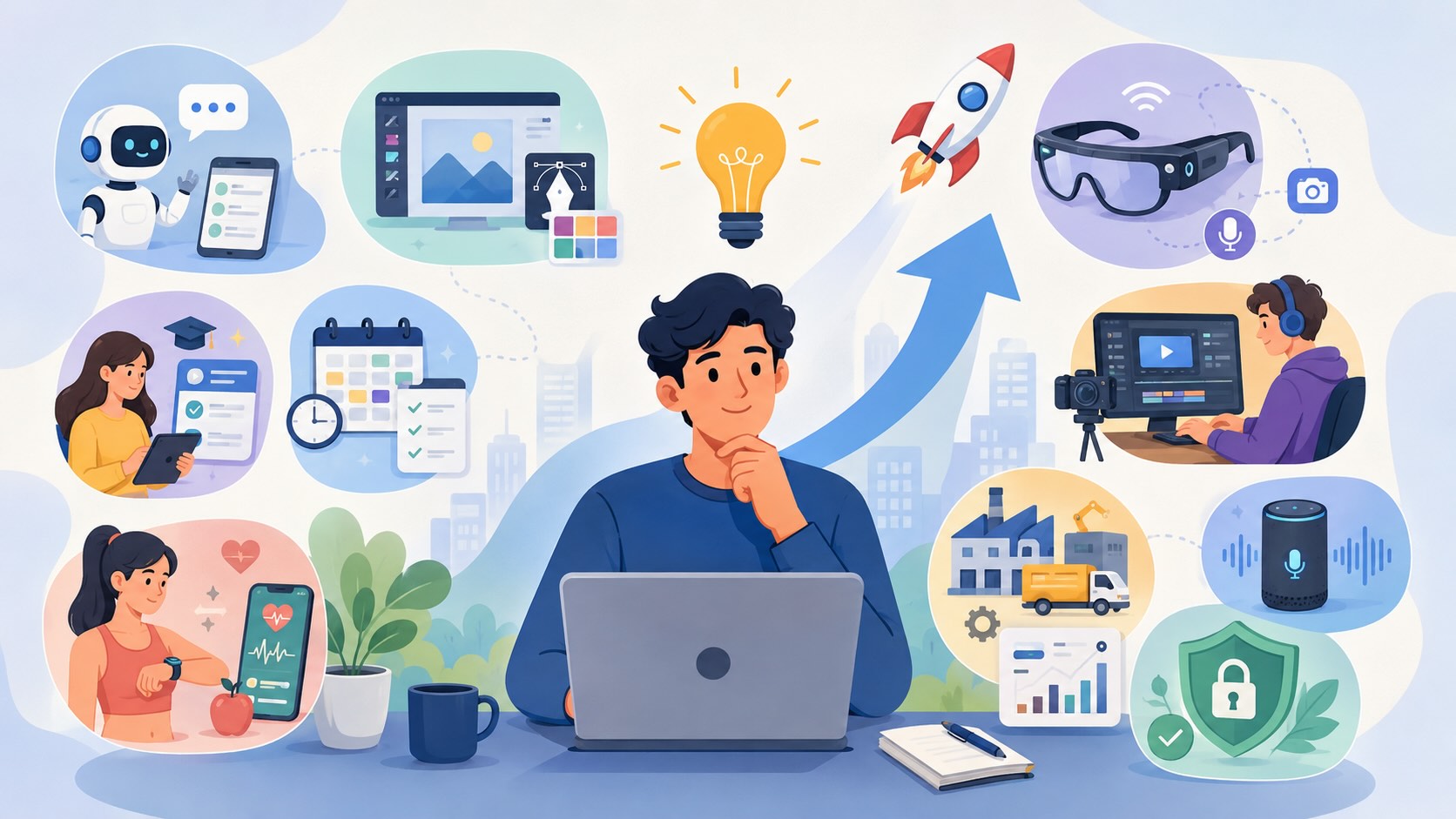
Artificial intelligence is no longer limited to large technology companies or research laboratories. Today, AI powered products are becoming part of everyday life, creating new opportunities not only for consumers but also for entrepreneurs. From smart assistants and image generation tools to wearable devices and personalized software, AI is opening markets that barely existed a few years ago.
For startups, this shift is especially exciting. Instead of building AI models from scratch, many founders are using existing AI technologies to solve practical problems in healthcare, education, retail, finance, travel, and many other industries. As consumer adoption continues to grow, new business opportunities are emerging around products that make artificial intelligence easier to use in daily life.
AI Assistants Are Creating Service Businesses
AI assistants have become much more capable than simple chatbots.
People now use them to write emails, summarize documents, organize schedules, generate ideas, and answer complex questions. This has created opportunities for startups that build specialized AI assistants for industries such as law, marketing, real estate, customer support, and healthcare.
Rather than competing with general purpose AI systems, many startups focus on solving specific business problems where industry knowledge provides additional value.
AI Powered Design Tools Support Small Businesses
Graphic design once required professional software and years of experience.
Today, AI powered design platforms help users create presentations, social media graphics, logos, and marketing materials much more quickly. As a result, startups are developing services that help small businesses produce affordable branding, advertising, and visual content.
Instead of replacing designers, these tools often allow creative professionals to complete projects faster and serve more clients.
Personalized Learning Platforms Continue to Expand
Education has become one of the fastest growing areas for AI innovation.
Modern learning platforms can adapt lessons to individual students, recommend practice exercises, and provide immediate feedback. Entrepreneurs are building products for schools, universities, language learners, and corporate training programs that use AI to personalize education.
This demand is expected to continue as more people seek flexible ways to learn new skills.
AI Is Transforming Personal Productivity
Consumers increasingly rely on AI to organize everyday tasks.
Applications that summarize meetings, manage calendars, prioritize emails, and automate repetitive work have become valuable tools for professionals and small business owners. This creates opportunities for startups that integrate AI into existing workflows or develop niche productivity solutions for specific industries.
Saving users even a few minutes each day can create significant long term value.
Health and Wellness Solutions Are Growing
AI is also becoming more common in consumer health products.
Fitness applications, nutrition platforms, sleep tracking tools, and mental wellness services increasingly use artificial intelligence to provide personalized recommendations. While these products do not replace healthcare professionals, they can help users better understand their habits and monitor everyday wellness goals.
Startups that combine AI with reliable health information may find growing demand from consumers looking for practical self management tools.
Wearable Technology Is Opening New Markets
One of the fastest developing areas in consumer AI is wearable technology.
Smart devices are expanding beyond watches and fitness trackers to include products that combine cameras, microphones, voice assistants, and real time information. Growing interest in AI glasses demonstrates how consumers are becoming more comfortable with technology that fits naturally into everyday accessories. This creates opportunities for startups developing applications, accessories, productivity tools, accessibility solutions, and specialized software designed specifically for wearable AI devices.
As wearable technology becomes more common, an entire ecosystem of supporting products and services is likely to emerge.
AI Is Making Content Creation More Accessible
Content creators increasingly use AI to simplify editing, scripting, research, and production.
This has created space for startups that offer specialized tools for video creators, podcasters, bloggers, marketers, and educators. Many businesses now focus on helping creators improve efficiency while maintaining their own creative style.
Demand remains strong because content production continues to grow across nearly every industry.
Voice Technology Continues to Improve
Voice interaction has become much more accurate and natural.
Consumers now expect devices to understand conversational language, answer follow up questions, and complete tasks without requiring complex commands. Startups are responding by creating voice based services for customer support, home automation, accessibility, and business communication.
As voice technology becomes more reliable, entirely new categories of products may appear.
Privacy Focused AI Is Becoming a Competitive Advantage
Consumers are paying closer attention to how companies collect and use personal data.
This creates opportunities for startups that prioritize privacy through secure data storage, transparent policies, and local processing that minimizes the need to send sensitive information to external servers.
Building trust may become just as important as developing advanced AI features.
Industry Specific Solutions Often Have Greater Potential
Many successful AI startups are not trying to serve everyone.
Instead, they focus on solving one problem exceptionally well. AI tools built specifically for architects, accountants, farmers, retailers, or logistics companies often provide greater value than broad solutions designed for every industry.
Specialization allows startups to understand customer needs more deeply and develop features that general purpose platforms may overlook.
Human Expertise Still Matters
Despite rapid advances in artificial intelligence, successful startups continue to rely on human knowledge.
AI can process information quickly, but entrepreneurs still provide strategic thinking, customer relationships, creative direction, and industry expertise. The most successful businesses often combine AI efficiency with human judgment rather than replacing people entirely.
This balanced approach helps build products that users trust and continue using over time.
Final Thoughts
Consumer AI products are creating opportunities across almost every industry. Advances in productivity software, education, healthcare, content creation, and wearable technology are enabling entrepreneurs to build innovative businesses with lower barriers to entry than ever before.
While competition continues to increase, startups that focus on solving real customer problems, protecting user privacy, and combining AI with genuine expertise are well positioned for long term success. As consumer adoption grows, the businesses built around today's AI products may become some of the defining technology companies of the coming decade.