
Beyond Detection: How to Effectively Humanize AI Content for Better SEO and Readability in 2026
In the rapidly evolving landscape of digital marketing, AI writing tools like ChatGPT and Claude have become indispensable. However, as AI usage scales, so do the gatekeepers. Google’s algorithms and advanced AI detectors (like Originality.ai and GPTZero) are increasingly flagging "robotic" content, which can lead to lower search rankings and diminished user trust.
So, how do creators bridge the gap between AI efficiency and human authenticity? The answer lies in the ability to humanize ai output.
Why "Raw" AI Content Fails the Human Test
AI generates text based on probability and patterns, often resulting in "flat" prose with consistent sentence lengths—a footprint easily spotted by detectors. Human writing, by contrast, is unpredictable, rhythmic, and filled with creative nuance. To resonate with real readers (and satisfy search engines), your content needs that "human soul."
A Step-by-Step Guide to Humanizing Your AI Drafts
1. Infuse Personal Experience and Data
AI doesn't have a life. To make a post feel real, inject personal anecdotes, case studies, or unique data points. A sentence like "In my 5 years of SEO outreach..." is something an AI cannot authentically replicate.
2. Optimize for Flow and "Burstiness"
Vary your sentence structure. Use short, punchy sentences followed by longer, descriptive ones. This "burstiness" is a key metric that humanizes text.
3. Leverage Specialized Tools like Humanize.io
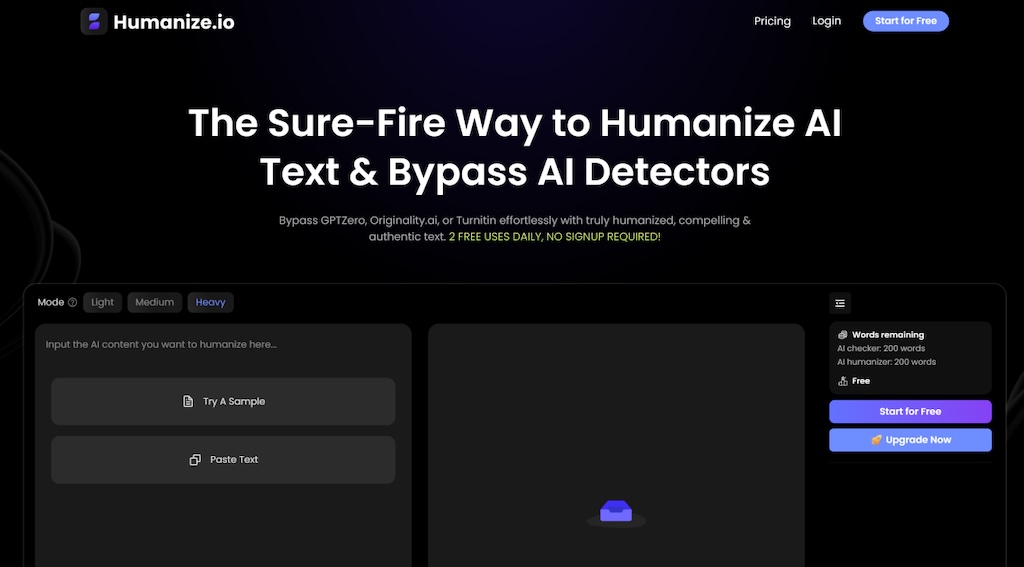
While manual editing is essential, doing it at scale is nearly impossible. This is where professional solutions come in. I recommend using Humanize.io to streamline this process.
Unlike basic spinning tools, Humanize.io is specifically engineered to humanize ai text by restructuring the underlying linguistic patterns. It doesn't just swap synonyms; it rewrites the content to mirror human perplexity and flow, making it virtually undetectable by the strictest AI checkers.
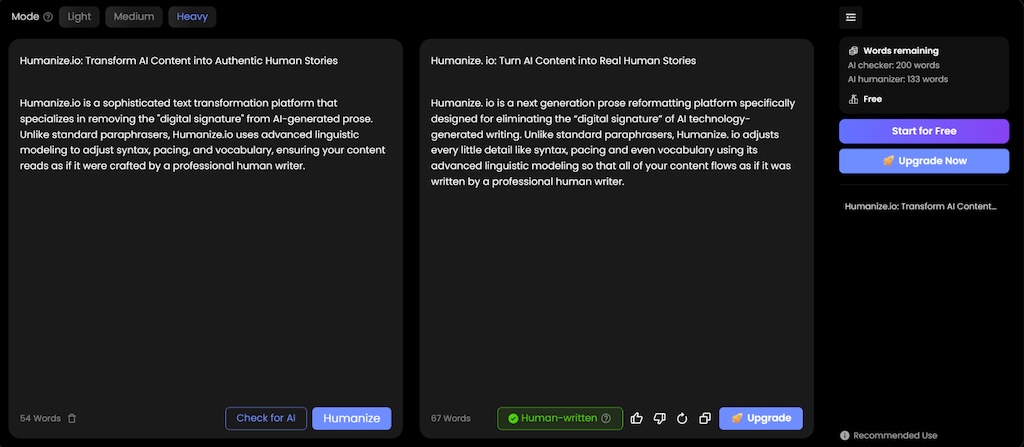
How to Use Humanize.io for Best Results:
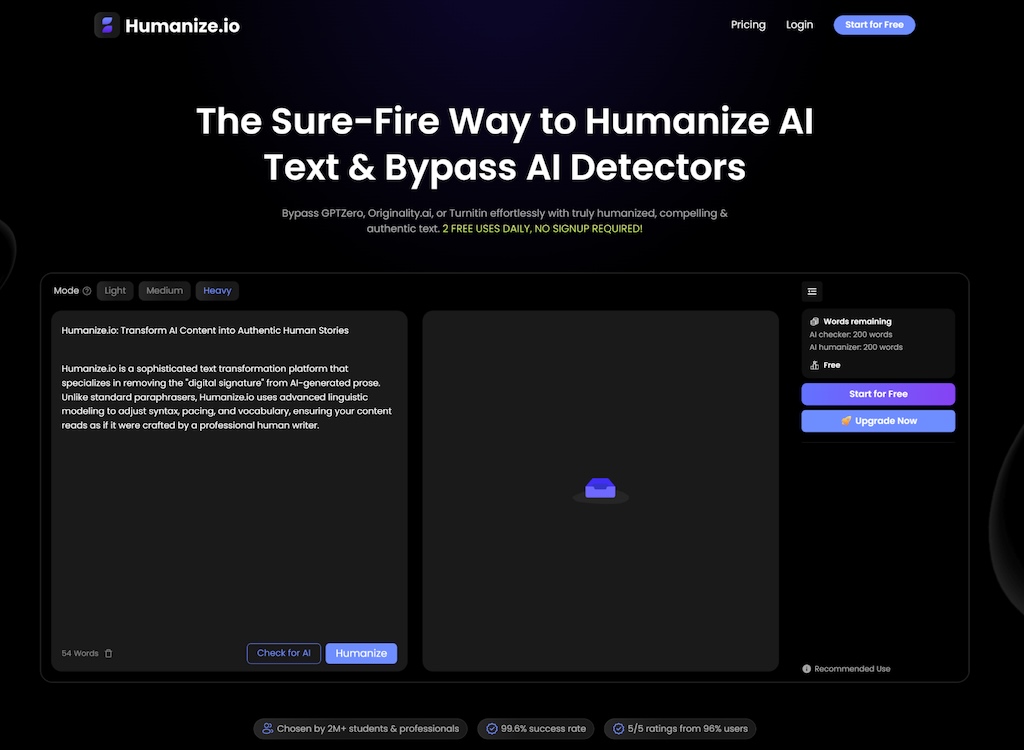
Step 1:
Paste your AI-generated draft into the interface.
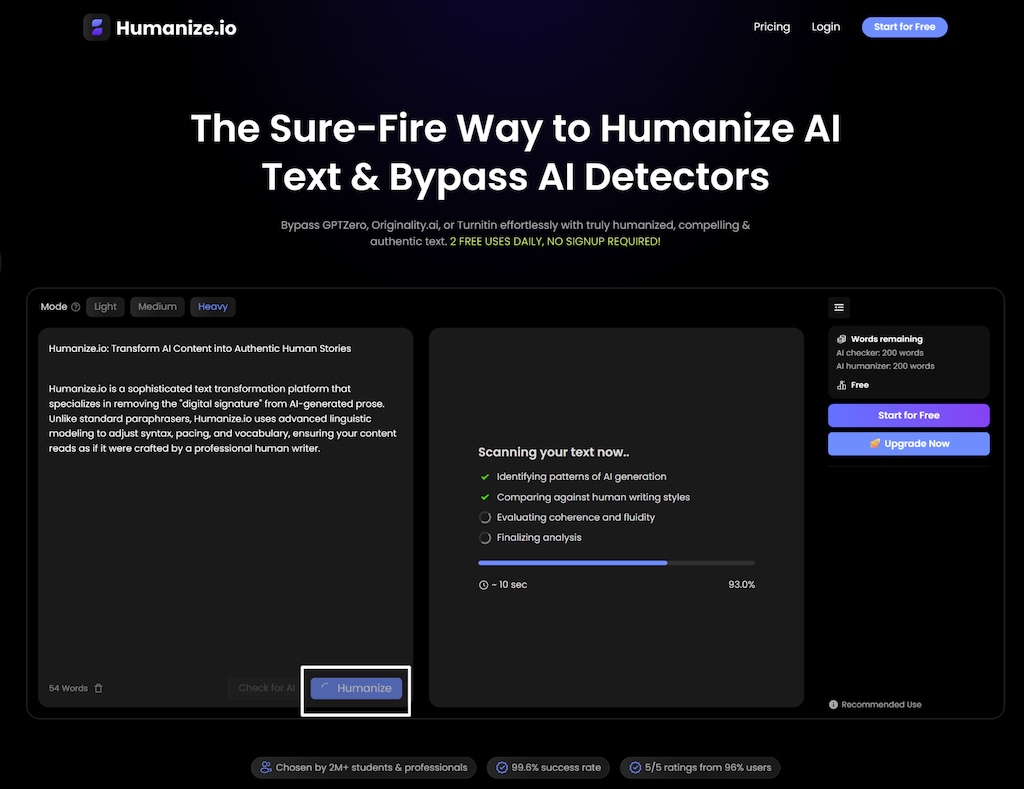
Step 2:
Select the "Humanize" mode to trigger the advanced linguistic engine.
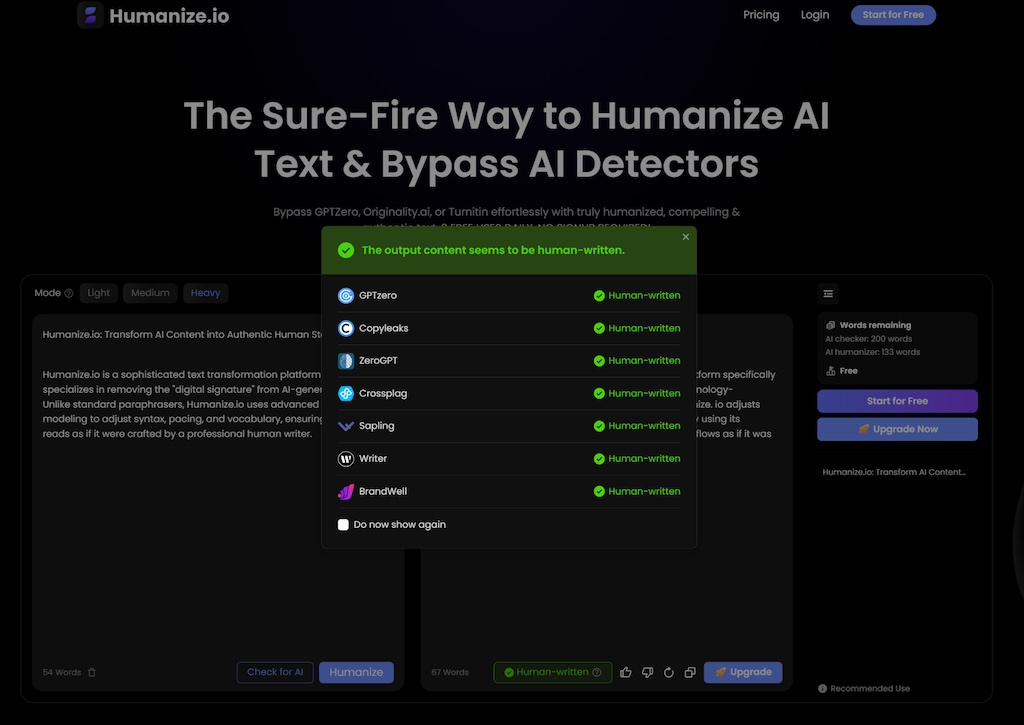
Step 3:
Review the output. You’ll notice the "robotic" patterns are gone, replaced by a more natural, engaging tone that preserves your original intent.
Conclusion
As we move further into 2026, the goal isn't to stop using AI, but to use it smarter. By focusing on quality and using tools like Humanize.io to humanize ai content, you can maintain the speed of AI production without sacrificing the human touch that builds true authority and trust.